


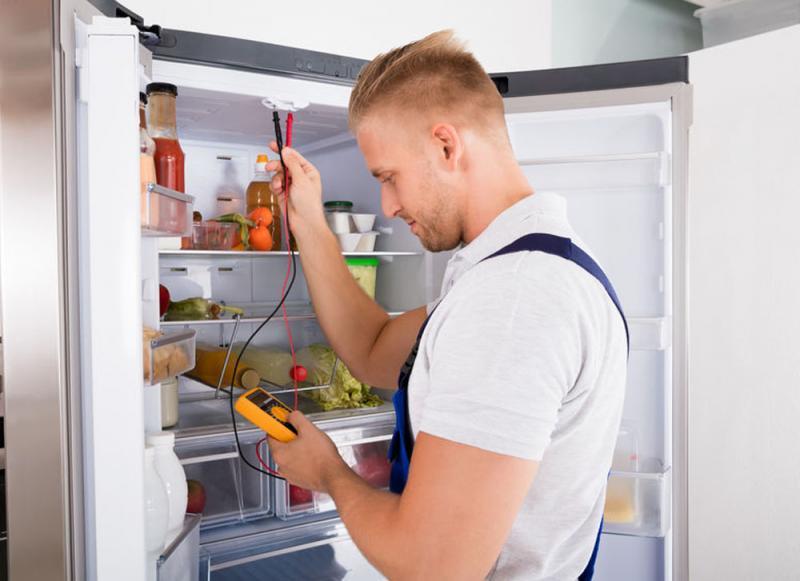
Understanding Freezer Performance
A freezer works continuously to protect food and maintain a stable temperature. When its performance changes, the cause may involve airflow, temperature controls, door seals, frost buildup, fans, or other components. Paying attention to these changes can help homeowners address problems before they become more disruptive. Regular care also helps the appliance operate more efficiently.
Noticing Early Warning Signs
A freezer that runs constantly, struggles to stay cold, makes unusual sounds, or develops excessive frost may need attention. Water around the appliance can also indicate a drainage or defrost issue. These symptoms should not be ignored because continued operation under abnormal conditions may place additional strain on internal components.
Checking the Temperature
A consistent internal temperature is essential for proper freezer operation. If food begins becoming soft or temperatures fluctuate noticeably, homeowners should investigate the issue. The door should close completely, and vents inside the unit should remain unobstructed. If basic checks do not resolve the problem, professional diagnosis can identify the underlying cause.
Inspecting the Door Seal
The door gasket creates a seal that helps keep cold air inside the freezer. A damaged, loose, or worn gasket can allow warm air to enter and make the appliance work harder. Homeowners can visually inspect the seal for cracks, gaps, or sections that no longer sit properly against the frame. A damaged gasket may require replacement.
Managing Frost Buildup
Some frost can occur during normal operation, but excessive ice accumulation may indicate a defrost problem or poor door sealing. Heavy frost can restrict airflow and reduce cooling performance. Modern freezers often use automatic defrost components to control ice formation, so repeated buildup deserves professional evaluation rather than constant manual removal.
Keeping Airflow Clear
Cold air needs to circulate properly throughout the freezer. Food containers should not block vents or be packed so tightly that air cannot move between stored items. Poor airflow can contribute to uneven temperatures and longer operating cycles. Keeping the interior organized allows the cooling system to distribute cold air more effectively.
Checking for Unusual Sounds
Clicking, buzzing, humming, rattling, or loud fan noises can indicate that something has changed inside the appliance. Some operating sounds are normal, but a sudden difference from the freezer's usual sound pattern deserves attention. Describing when the noise occurs can help a technician narrow down possible mechanical or electrical causes.
Addressing Water Leaks
Water collecting around a freezer may result from a blocked defrost drain, damaged drain components, melting frost, or another issue. Residential Freezer System Services Cooper City FL can help homeowners identify the source instead of simply cleaning up the water repeatedly. Prompt attention can protect nearby flooring and prevent moisture from creating additional household problems.
Understanding Cooling Components
Freezer cooling depends on several components working together. Fans circulate air, temperature controls regulate operation, and the compressor supports the refrigeration cycle. A problem with one component can affect the performance of others. Professional testing can determine which part is actually responsible instead of relying on assumptions based only on the visible symptom.
Protecting Stored Food
When a freezer stops maintaining a safe temperature, food quality can deteriorate quickly. Homeowners should monitor the temperature and avoid repeatedly opening the door while troubleshooting a serious cooling problem. If the appliance becomes noticeably warm, perishable food should be handled according to appropriate food-safety guidance rather than assumed to remain safe.
Considering Florida Conditions
Florida's warm and humid climate can place additional demands on appliances, especially units located in garages, utility rooms, or other areas exposed to higher temperatures. Local appliance professionals note that heat and humidity can make cooling problems more noticeable and may contribute to greater strain on some components.
Choosing Professional Assistance
Professional Appliance Repair Services can provide structured diagnosis when an appliance continues to malfunction after basic checks. A qualified technician can inspect relevant components, identify the cause, and explain whether repair or replacement makes more sense. Homeowners should ask about experience, service terms, parts, estimates, and warranty coverage before approving significant work.
Preparing for a Service Visit
Homeowners can make an appointment more productive by keeping the area around the freezer accessible. They should also record unusual sounds, temperature changes, error messages, frost patterns, leaks, and other symptoms. Having the model and serial information available can help the technician understand the appliance before beginning the inspection.
Creating Better Appliance Reliability
A dependable freezer protects food and supports everyday household routines. Recognizing warning signs, maintaining proper airflow, protecting the door seal, monitoring temperature, and addressing faults promptly can reduce unnecessary disruption. When a problem requires technical attention, accurate diagnosis and appropriate repairs can help restore reliable operation and extend the useful life of the appliance.




 English
 Indonesia
 Arabic
 French
 Spanish
 Portuguese
 Deutsch
 Turkish
 Dutch
Dutch
 Russian
 Romaian
 Portuguese (Brazil)
 Greek
Greek