


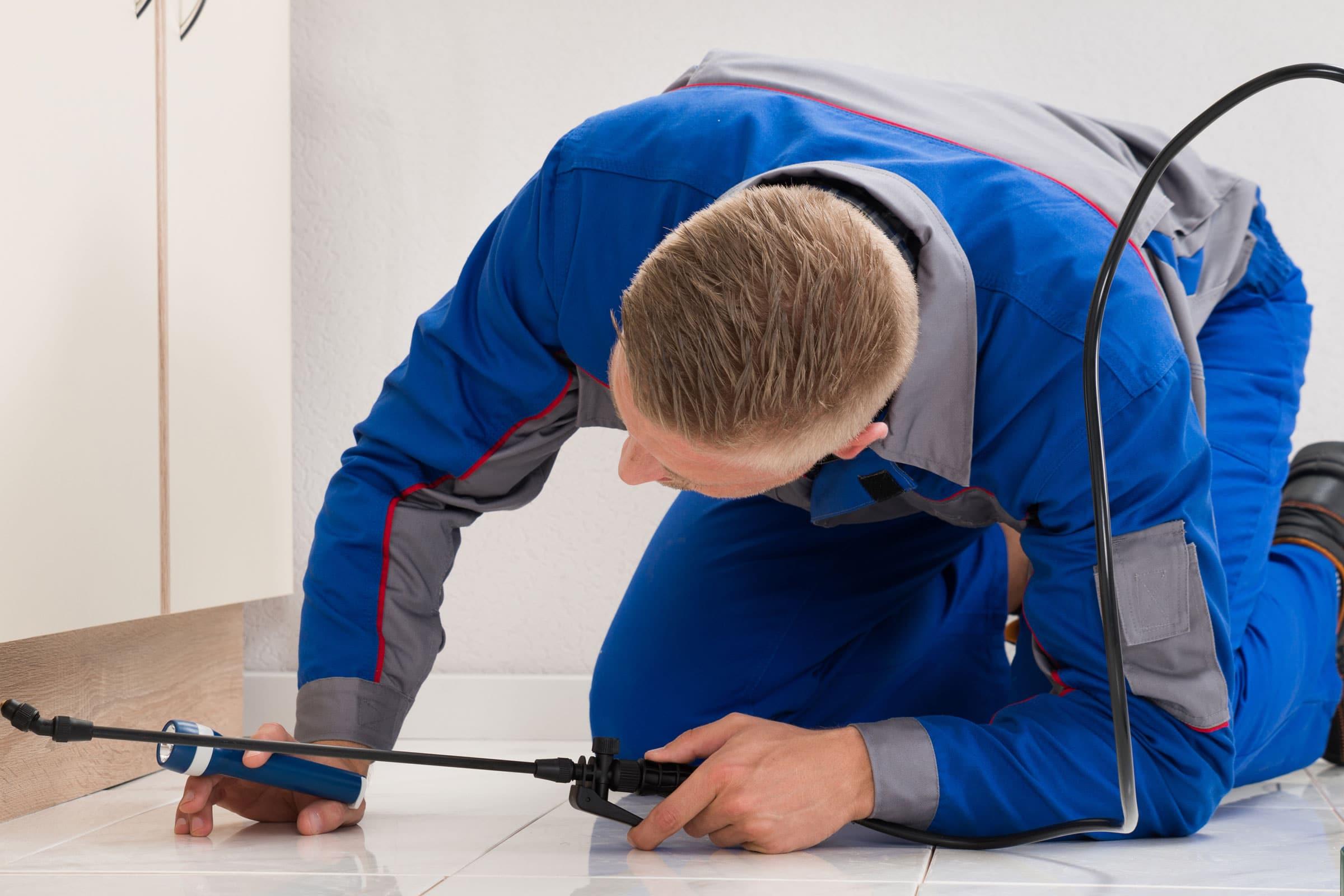
Understanding the Inspection
Termites can remain hidden while causing damage inside wooden components. A professional inspection looks for visible evidence of current or previous activity, damage, and conditions that may encourage future infestations. In Florida, termite inspections can also involve wood-destroying organisms beyond termites, depending on the inspection being performed.
Checking Exterior Areas
The outside of a property can provide important clues about termite activity. Inspectors may examine foundation areas, exterior walls, wooden components, drainage conditions, and locations where soil meets wood. Mud tubes, damaged wood, discarded wings, and other evidence can indicate possible activity.
Looking for Interior Evidence
Indoor areas can reveal signs that may not be obvious from outside. Baseboards, door frames, window areas, flooring, wall surfaces, and other accessible wooden components can show damage or activity. Changes such as hollow-sounding wood, bubbling paint, or unexplained deterioration deserve further attention.
Examining the Attic
Attics can contain wooden framing that may be vulnerable to certain wood-destroying organisms. When accessible, inspectors may examine exposed structural wood for damage, exit holes, droppings, moisture concerns, or other evidence. Stored belongings and insulation can restrict visibility, so inaccessible areas should be identified in the inspection documentation.
Checking Crawl Spaces
Homes with crawl spaces require attention beneath the main living areas as well. Moisture, wood-to-ground contact, damaged framing, and other conditions can create favorable environments for termites. Inspectors may examine accessible structural components in these areas and document any limitations that prevent a complete visual assessment.
Identifying Warning Signs
Homeowners should watch for discarded wings, mud tubes, damaged wood, small exit holes, and unexplained deterioration. These signs do not always reveal the complete extent of an infestation, but they can justify professional evaluation. Termite Inspection Services in Longwood FL can help determine whether visible concerns are associated with current or previous activity.
Looking for Moisture Problems
Moisture can create conditions that make some properties more attractive to termites and other wood-destroying organisms. Leaking plumbing, poor drainage, standing water, and excessive moisture near foundations deserve attention. Correcting these conditions can form an important part of broader termite prevention and property maintenance.
Checking Wood-to-Soil Contact
Wood that directly contacts soil can create a pathway for subterranean termites to reach a structure. Inspectors can identify these conditions around foundations, landscaping, decks, and other exterior features. Removing or correcting conducive conditions can help reduce potential access points and improve the property's overall protection.
Understanding the Report
A formal inspection report should clearly document findings and identify areas that could not be inspected. Florida law requires certain information in reports, including the inspection date, property address, accessible and inaccessible areas, evidence of previous treatments or infestations, identified organisms, and visible damage.
Knowing What a Clear Result Means
A report that does not identify visible termite evidence does not necessarily guarantee that a property is completely free of termites. Inspections are limited by accessibility and what can be observed at the time. Understanding this distinction helps homeowners interpret findings realistically and continue appropriate property maintenance.
Preparing Before Inspection
Homeowners can make the inspection more effective by providing access to relevant areas. Stored items should be moved away from walls or inspection points when possible. Information about previous treatments, repairs, leaks, or earlier termite concerns can also help provide useful background before the inspection begins.
Choosing Qualified Professionals
Florida regulates the structural pest control industry, and inspection work must follow applicable state requirements. Homeowners should verify that the professional conducting the inspection has the appropriate credentials. Choosing qualified professionals can help ensure that findings are documented properly and that any recommended next steps are based on an appropriate evaluation.
Considering Real Estate Needs
Termite inspections can be particularly important during property transactions. A WDO inspection focuses on evidence of organisms that can damage wood rather than serving as a general home inspection. Buyers and sellers should understand exactly what type of report they are requesting and whether their transaction has specific documentation requirements.
Addressing Findings Promptly
If an inspection identifies active termites, previous damage, or conditions that encourage infestation, homeowners should avoid delaying the next step. The appropriate response depends on the organism, location, extent of activity, and condition of the property. Treatment decisions should follow a proper evaluation rather than assumptions based only on visible signs.
Maintaining the Property
Regular property maintenance can help reduce conditions that encourage termite activity. Homeowners can keep drainage systems functional, address leaks, avoid unnecessary wood-to-soil contact, and monitor vulnerable areas. Periodic professional inspections can provide another opportunity to identify developing concerns before they result in more extensive damage.
Protecting the Home Long Term
A thorough inspection provides useful information about the condition of accessible areas and potential termite risks. Early identification, proper documentation, moisture management, and timely professional attention can help homeowners make better maintenance decisions. Because Florida's environment is favorable to termites, consistent awareness remains an important part of protecting a property.




 English
 Indonesia
 Arabic
 French
 Spanish
 Portuguese
 Turkish
 Dutch
Dutch
 Italiano
 Russian
 Romaian
 Portuguese (Brazil)
 Greek
Greek