


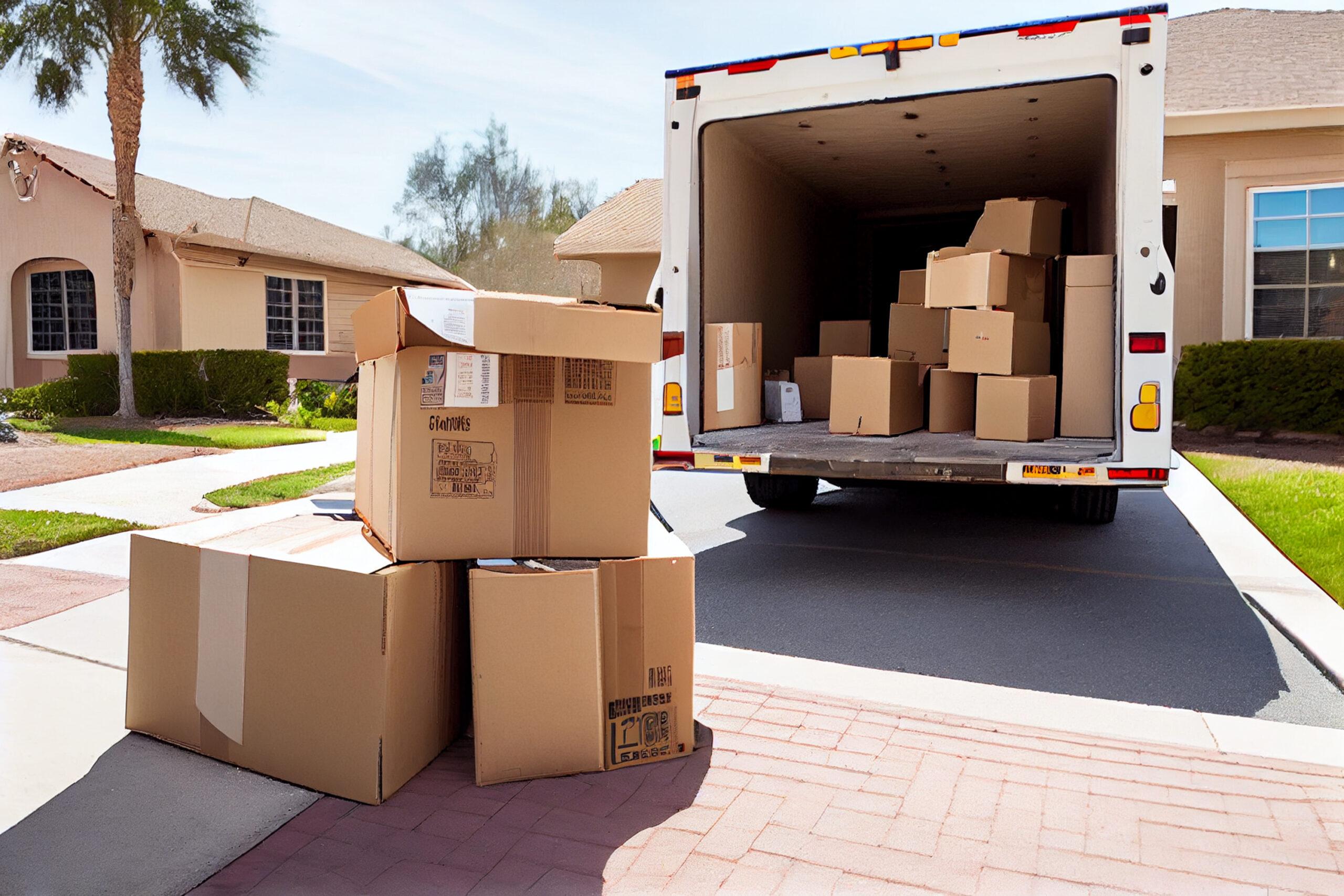
Understanding Your Moving Needs
Every move has different requirements depending on the size of the home, number of belongings, distance, and building access. Before scheduling anything, make a list of the furniture, boxes, appliances, and other items that need transportation. This helps create a clearer plan and makes it easier to determine what type of moving support will be needed.
Planning the Move Early
Starting preparations early can reduce unnecessary stress. Homeowners should choose a preferred moving date, organize belongings, and determine which items require special attention. Building rules, elevator reservations, parking restrictions, and narrow access points may also affect the schedule. Handling these details ahead of time can make moving day more organized.
Organizing Belongings
Sorting belongings before packing can make the entire process easier. Items can be separated into groups for moving, donating, storing, or discarding. Reducing unnecessary belongings means fewer boxes to transport and less work during unpacking. A simple inventory can also help homeowners keep track of important possessions throughout the move.
Packing Items Carefully
Proper packing helps protect belongings during loading, transportation, and unloading. Fragile items should receive suitable padding, while heavier objects should go into sturdy boxes that can handle their weight. Boxes should not become excessively heavy or difficult to carry. Careful packing can reduce the chance of damage and make loading more efficient.
Labeling Every Box
Clear labels make unpacking much easier. Each box can include the room where it belongs along with a brief description of its contents. Fragile items should receive clear markings so they receive appropriate handling. A consistent labeling system helps movers place boxes correctly and allows homeowners to locate essential belongings without opening multiple boxes.
Protecting Furniture
Large furniture can experience scratches, dents, or other damage when it moves through doorways, hallways, stairs, and elevators. Protective blankets, wrapping materials, and careful handling can help reduce these risks. Furniture that requires disassembly should be prepared before transportation. Measuring large pieces and access points beforehand can also prevent avoidable problems.
Considering Building Access
Brooklyn properties can include apartments, walk-ups, brownstones, condos, and buildings with elevators. Access conditions can affect how long loading and unloading take. Local Moving Company in Brooklyn NY services may need information about stairs, elevators, parking, and building requirements before the move. Providing these details early can help create a more accurate moving plan.
Preparing the New Home
The destination should be ready before belongings arrive. Rooms can be cleared, floors protected, and furniture placement decided in advance. A basic floor plan can help determine where larger pieces should go. Preparing the new space reduces unnecessary rearranging and allows the unloading process to move more smoothly.
Managing Moving Day
Moving day can become stressful when several tasks happen at once. Keeping important documents, keys, phones, and essential personal items accessible can prevent unnecessary delays. Homeowners should also maintain communication with everyone involved. A simple schedule can help coordinate loading, transportation, arrival, and unloading more effectively.
Handling Heavy Items
Large appliances, solid furniture, and oversized belongings may require additional planning. Their weight, dimensions, and access route should be considered before moving begins. Proper lifting techniques and suitable equipment can help reduce handling risks. Homeowners should identify unusually heavy or difficult items ahead of time rather than leaving them as a last-minute concern.
Protecting Floors and Walls
Moving large belongings through tight spaces can potentially affect floors, walls, railings, and door frames. Protective coverings can help reduce accidental marks and scratches. Clear pathways also make movement easier and safer. Both the old and new properties should be checked for access challenges before furniture begins moving through the building.
Keeping Important Items Accessible
Some belongings should remain with the homeowner rather than being placed deep inside the moving truck. Identification documents, medications, chargers, valuables, basic clothing, and essential household items may be needed immediately. Preparing a separate essentials bag can make the first day in the new home much easier.
Checking Belongings After Delivery
A quick inventory check after unloading can help identify missing or damaged items promptly. Boxes can be compared against the original list, while furniture and fragile belongings can receive a visual inspection. Reporting concerns quickly keeps the details fresh and makes follow-up easier. Organized records can also provide useful documentation when needed.
Making Unpacking Easier
Unpacking becomes simpler when boxes arrive in their intended rooms. Essential areas such as bedrooms, bathrooms, and kitchens can receive priority. Homeowners do not need to unpack everything immediately. Setting up the most important spaces first allows normal routines to resume while remaining boxes can be handled gradually.
Maintaining an Organized Transition
A successful move depends on preparation before, during, and after transportation. Sorting belongings, packing carefully, labeling boxes, planning access, protecting furniture, and preparing the destination can all reduce unnecessary complications. A structured approach gives homeowners greater control over the process and helps turn a potentially stressful relocation into a more manageable transition.
Creating a Smoother Move
Moving to a new home involves many details, but careful preparation can make the experience considerably easier. When belongings are organized, access is planned, and essential items are protected, moving day becomes more predictable. Taking time to prepare properly allows homeowners to focus on settling into their new space rather than dealing with avoidable problems.




 English
 Indonesia
 Arabic
 French
 Spanish
 Portuguese
 Turkish
 Dutch
Dutch
 Italiano
 Russian
 Romaian
 Portuguese (Brazil)
 Greek
Greek