


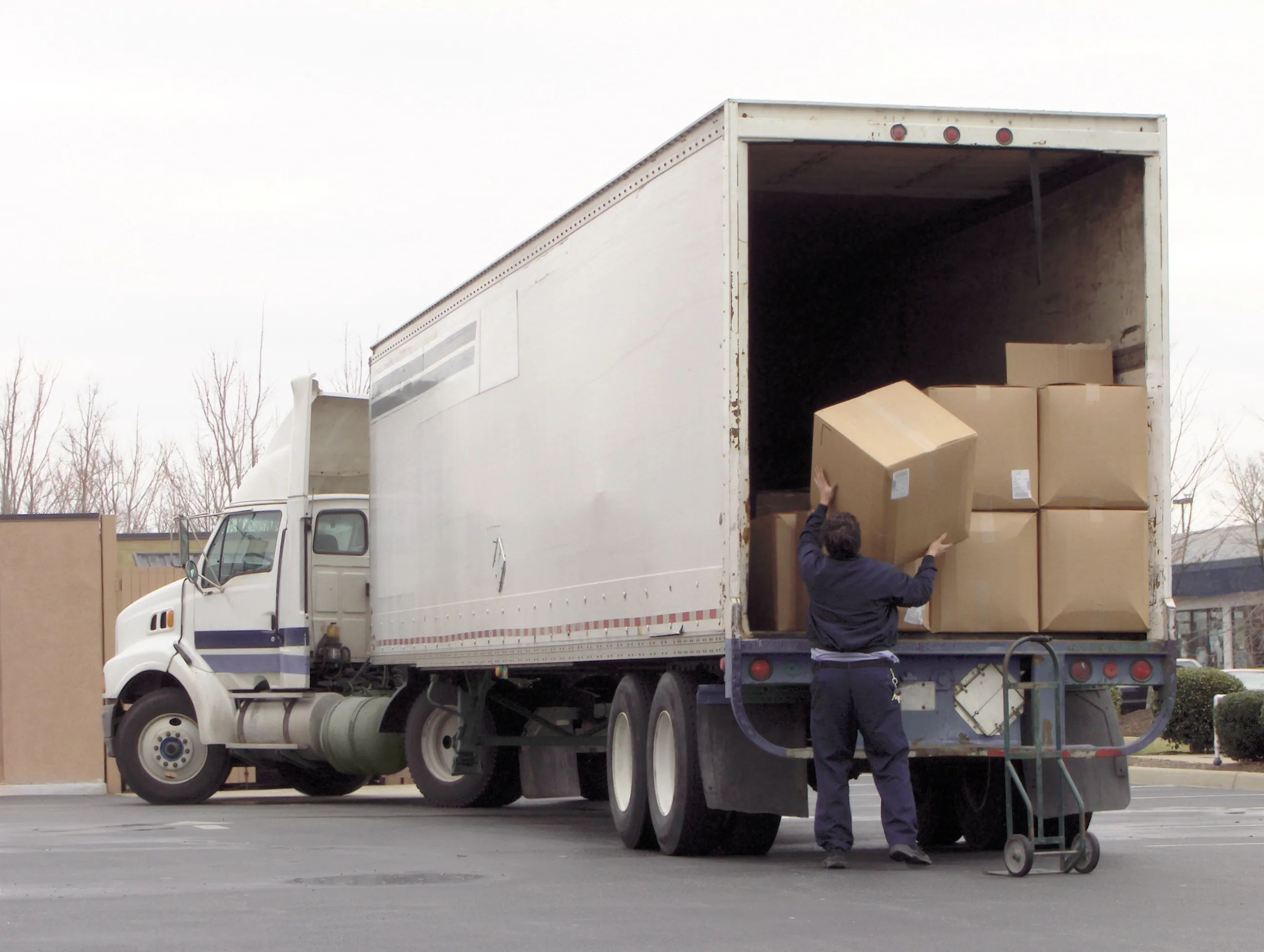
Moving to another city or state is a major change that requires more planning than a short local move. There are many details to handle, from sorting household items to arranging transportation and preparing the new home. A clear plan can make the process less stressful and reduce the chance of forgotten tasks. Understanding the main stages of a long move can help families stay organized from beginning to end.
Start Planning as Early as Possible
A longer move usually requires more preparation time. Homeowners should decide on a moving date, review their budget, create a list of major tasks, and determine what will be transported. Starting early provides time to compare options and handle unexpected issues. Waiting until the last few days can make packing more difficult and may lead to rushed decisions.
Create a Detailed Moving Checklist
A written checklist can keep the move organized. Important tasks may include changing the address, arranging utilities, collecting important documents, sorting belongings, packing rooms, and confirming transportation. Breaking larger tasks into smaller steps makes the project easier to manage. The checklist can also be divided by week so that there is a clear idea of what needs to happen before moving day.
Sort Belongings Before Packing
Moving is a good opportunity to decide what is actually worth taking. Items that are broken, unused, outdated, or no longer needed can be donated, sold, recycled, or discarded. Reducing the number of belongings can lower the amount of packing required and create more space in the new home. It is easier to make these decisions before boxes are filled.
Pack Room by Room
Packing one room at a time can prevent confusion. Boxes should contain similar items whenever possible, and each box should have a clear label showing its contents and destination room. Heavy items should be placed in smaller boxes, while lighter belongings can go into larger containers. Keeping an inventory of valuable or important items can also make unpacking easier.
Protect Fragile Household Items
Glassware, electronics, artwork, dishes, and other delicate belongings need extra protection during a long journey. Strong boxes, suitable padding, and careful placement can help reduce movement inside containers. Fragile boxes should be clearly marked, but labels alone do not replace proper packing. Important personal items should be packed separately so they remain easy to access.
Consider Professional Moving Assistance
A long-distance move involves transportation over a greater distance, which can make logistics more complicated. Long-Distance Moving Services in Raleigh NC can help with tasks such as loading, transportation, and unloading, depending on the selected service. Homeowners should review what is included, how belongings are handled, and the expected delivery process before making an arrangement.
Keep Essential Items With You
Not everything should go into the moving truck. Important documents, medications, basic clothing, chargers, toiletries, valuables, and items needed immediately after arrival should be kept in an easily accessible bag or container. Having these essentials nearby can make the first day in a new home much easier, especially if the rest of the belongings take time to unpack.
Prepare Appliances and Large Items
Large appliances may require special preparation before transportation. Refrigerators, washing machines, dryers, and other equipment should be handled according to their manufacturer's recommendations. Furniture should also be measured before the move to ensure it can pass through doors, hallways, stairways, and other tight areas at the new property. Planning these details ahead can prevent moving-day problems.
Understand Packing and Transportation Options
Homeowners can choose to pack everything themselves or receive help with some or all of the packing process. Professional Moving and Packing Services may be useful for people who have limited time or need assistance with delicate or large household items. Before selecting a service, it is important to understand pricing, packing materials, transportation arrangements, and any terms related to damaged or missing belongings.
Prepare the New Home
The destination should be ready before the moving truck arrives. Utilities, internet, basic cleaning, and access arrangements should be handled in advance when possible. Measuring rooms and deciding where major furniture will go can also speed up unloading. A simple floor plan can help movers place larger items in suitable locations without unnecessary rearranging.
Expect Some Unexpected Changes
Even well-planned moves can face delays caused by weather, traffic, scheduling changes, or problems with a property. Keeping important contacts and documents available can make it easier to respond when plans change. A small emergency budget is also useful because unexpected travel, storage, or repair costs may arise during a long-distance move.
Make Unpacking More Organized
Unpacking does not have to happen all at once. Start with essential rooms such as the bedroom, bathroom, and kitchen. After those areas are usable, work through the remaining boxes one room at a time. A careful approach makes it easier to organize belongings and prevents the new home from becoming overwhelmed with open boxes.
Making the Move More Manageable
A long-distance move becomes easier when preparation starts early and each stage is handled systematically. Sorting belongings, packing carefully, protecting valuable items, planning transportation, and preparing the destination can all reduce unnecessary stress. Whether the move is handled independently or with professional assistance, a detailed plan gives homeowners greater control and helps the transition to a new home go more smoothly.




 English
 Indonesia
 Arabic
 Spanish
 Portuguese
 Deutsch
 Turkish
 Dutch
Dutch
 Italiano
 Russian
 Romaian
 Portuguese (Brazil)
 Greek
Greek