


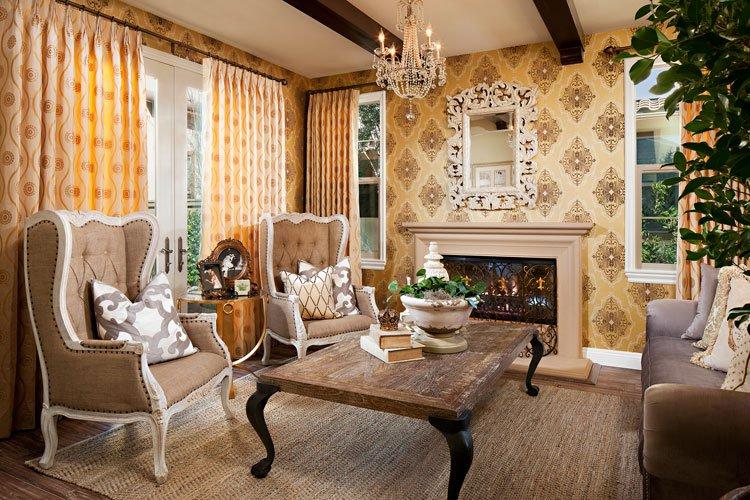
The challenge is knowing how to incorporate older pieces without making the entire interior feel stuck in another decade. A successful vintage-inspired room usually combines retro finds with modern proportions, practical layouts, and restrained accessories. Vintage home decor can bring warmth, personality, craftsmanship, and a sense of history into a contemporary home. Instead of recreating a specific historical period, homeowners can select individual pieces that complement their existing furniture and architecture. With thoughtful choices, vintage elements can make a home feel collected and distinctive while remaining fresh and current.
Start With a Modern Foundation
The easiest way to keep vintage decor from looking dated is to establish a clean contemporary foundation before adding retro pieces. Neutral walls, simple flooring, modern lighting, and uncluttered layouts can provide a calm background for older furniture. This creates contrast, allowing a vintage chair, cabinet, mirror, or table to become a deliberate focal point. When the entire room consists of heavily retro elements, the design can quickly begin to resemble a period recreation. A modern foundation gives vintage finds enough breathing room to feel intentional rather than overwhelming.
This does not mean every contemporary element needs to be minimalist or completely neutral. Modern interiors can include color, texture, artwork, and personality while still providing a useful backdrop for vintage furniture. Focus on maintaining clear visual relationships between the larger pieces in the room. If a vintage item has a strong shape or bold finish, allow surrounding furniture to remain relatively simple. This balance creates contrast without making the room feel visually disconnected.
Choose Vintage Pieces With Character
Not every old-looking object deserves a place in a carefully designed interior. When shopping for vintage furniture, look for pieces with distinctive craftsmanship, useful proportions, interesting materials, or a history that genuinely appeals to you. A well-made wooden cabinet, sculptural chair, antique mirror, or retro lamp can contribute far more character than several inexpensive decorative objects. Quality is also important because furniture should remain functional rather than serving only as visual decoration. Selecting fewer, stronger pieces makes the overall design feel more sophisticated.
Condition should be evaluated carefully before purchasing vintage furniture. Normal signs of age can add authenticity and charm, but structural damage, unstable joints, severe moisture damage, or unsafe electrical components may require costly restoration. Ask sellers about repairs, refinishing, replacement parts, and previous restoration work when buying valuable pieces. Researching the manufacturer, approximate age, materials, and construction can also help you understand what you are purchasing. A knowledgeable approach allows you to appreciate genuine character without overlooking practical concerns.
Mix Eras Instead of Creating a Time Capsule
One of the best ways to keep retro decor contemporary is to mix furniture from different periods. A vintage wooden cabinet can work beautifully with a modern sofa, while an older dining chair can add personality around a contemporary table. Combining eras prevents the room from looking like a staged reproduction of one particular decade. Similar colors, materials, shapes, or proportions can help different pieces relate to one another. The result feels more like a naturally developed home than a themed interior.
When mixing periods, pay close attention to scale. A small vintage side table may look lost beside oversized modern seating, while a large antique cabinet can dominate a compact room. Measure furniture before buying and consider how much visual space each piece occupies. Leave enough open area around statement pieces so their silhouettes remain visible. Good proportions can create harmony even when the individual furniture styles are quite different.
Use Color to Connect Old and New
Color is one of the most effective tools for combining vintage pieces with contemporary interiors. Retro furniture often features warm woods, muted greens, mustard tones, earthy oranges, deep blues, or other characteristic shades. Rather than repeating these colors throughout the entire room, select one or two tones and echo them through smaller accessories. A vintage chair can therefore relate to modern artwork, a rug, or a cushion without requiring everything to match. This creates visual continuity while keeping the room fresh.
Neutral colors can also help tone down particularly strong vintage finishes. Soft white, beige, warm gray, cream, taupe, and natural wood provide flexible backgrounds for colorful retro objects. If you own a bold vintage piece, let it become the main accent rather than surrounding it with many competing colors. A restrained palette allows distinctive furniture to remain noticeable without dominating the room. This approach is especially useful in smaller spaces where excessive color can create visual clutter.
Create Balanced Home Office Styling
A home office can benefit greatly from vintage character as long as practical requirements remain the priority. Start with a desk that offers enough workspace for your daily activities and pair it with a comfortable chair that supports good posture. A vintage wooden desk can provide warmth, while contemporary ergonomic equipment can improve comfort and productivity. Keep cables, paperwork, and technology organized so the workspace does not become visually chaotic. Good home office styling should make the room attractive while ensuring that it works efficiently throughout the day.
Vintage storage can also contribute to a more interesting workspace. A retro filing cabinet, wooden credenza, bookcase, or small cabinet can provide useful organization while adding personality. Combine these pieces with simple modern organizers instead of filling every shelf with decorative objects. Keep frequently used supplies accessible and place less attractive equipment behind closed storage where possible. A well-organized office naturally feels more contemporary because its vintage elements are presented within a clear and functional layout.
Add Sculptural Decorative Objects Carefully
A ceramic form, carved wooden piece, abstract sculpture, metal object, or unusual vessel can act as a focal point without requiring a large collection of accessories. Choose objects based on shape, texture, craftsmanship, and scale rather than simply following current trends. Designer desk accessories can provide an effective connection between vintage character and modern design. One distinctive object can often have more visual impact than a shelf filled with small decorations. Giving each piece sufficient surrounding space allows its form to become part of the room's composition.
Placement is particularly important when working with sculptural pieces. A striking object may look better on a simple console, shelf, pedestal, or desk where the surrounding area remains relatively uncluttered. Consider how natural and artificial light interacts with the object's surface throughout the day. Shadows and highlights can make textured materials appear more dynamic and visually interesting. Avoid placing too many statement pieces together because they may compete for attention and weaken the impact of each individual object.
Combine Vintage Textures With Contemporary Materials
Texture can make a vintage-inspired room feel warm without requiring additional furniture. Aged wood, leather, woven fabrics, ceramics, brass, stone, and natural fibers can introduce tactile depth. Contemporary materials such as glass, polished metal, acrylic, and smooth upholstery can then provide contrast. This combination prevents the room from becoming visually heavy or excessively nostalgic. Instead of matching every finish, allow different textures to interact naturally.
Furniture materials should also be considered in relation to maintenance and everyday use. Older wood may require specialized care, while vintage textiles can be more delicate than modern performance fabrics. Ask about cleaning requirements before placing sensitive materials in high-use areas. Protective finishes, appropriate cleaning products, and sensible placement can help preserve valuable pieces. Practical care is especially important when vintage furniture is used every day rather than simply displayed.
Update Vintage Furniture When Necessary
Vintage furniture does not always need to remain exactly as it was originally found. Carefully considered restoration or updating can make an older piece more suitable for contemporary living while preserving its essential character. Reupholstering a chair in a simple modern fabric can refresh its appearance without changing its distinctive shape. Refinishing a damaged wooden surface may also improve usability when performed appropriately. However, valuable or historically significant pieces should be evaluated carefully before major alterations are made.
Avoid making irreversible changes simply because a vintage item looks different from current trends. Original finishes, hardware, upholstery, and construction details may contribute significantly to the item's historical and monetary value. If you are unsure whether restoration could affect authenticity or value, consult a qualified furniture restorer or specialist. For everyday pieces with limited historical significance, practical updates may be perfectly reasonable. The right approach depends on the object's age, quality, significance, condition, and intended use.
Use Lighting to Refresh Retro Interiors
Lighting can dramatically influence whether vintage furniture feels sophisticated or dated. Modern pendant lights, streamlined floor lamps, or contemporary task lighting can provide a useful contrast against older furniture. Layering ambient, task, and accent lighting also makes the room more functional throughout the day. In a home office, focused task lighting can improve usability while highlighting the texture and shape of a vintage desk. Thoughtful lighting allows retro pieces to appear intentional rather than simply old.
Natural light should also be considered when arranging furniture and artwork. Strong direct sunlight can gradually affect wood finishes, upholstery, photographs, and artwork, particularly when valuable vintage pieces are exposed for long periods. Window treatments can help manage glare while maintaining natural brightness. Position furniture so that the room benefits from daylight without unnecessarily exposing sensitive materials. A combination of natural and artificial lighting can create depth and make vintage details easier to appreciate.
Avoid Over-Decorating
The most common mistake when decorating with vintage finds is adding too many pieces at once. Collecting can be enjoyable, but a room filled with retro furniture and accessories may quickly lose the contrast that makes vintage design appealing. Choose a few meaningful pieces and allow empty space around them. Open floor areas and uncluttered surfaces make distinctive objects feel more valuable and visually important. Minimal decoration can actually make vintage furniture appear more sophisticated.
Another mistake is matching every item too closely. A complete set of furniture from one decade can sometimes make a room feel like a themed display rather than a contemporary home. Introduce variation through different materials, eras, shapes, and textures while maintaining a consistent overall palette. Personal items such as books, artwork, plants, and photographs can further prevent the space from feeling overly staged. The goal is to create a home that reflects your personality rather than reproducing a catalog from the past.
Make Vintage Decor Feel Timeless
Styling retro finds successfully is less about following strict decorating rules and more about creating relationships between old and new. Use modern foundations, thoughtful proportions, restrained colors, and functional layouts to give vintage pieces a contemporary setting. Home office styling can benefit from this approach by pairing character-rich furniture with modern comfort and organization. Sculptural decorative objects can add personality when selected and displayed with restraint. The finished space should feel collected, comfortable, and practical rather than frozen in a particular decade.
Vintage furniture becomes most appealing when it contributes something meaningful to the room. It may provide craftsmanship, a memorable silhouette, natural material, historical interest, or simply an object you enjoy seeing every day. By combining these qualities with contemporary lighting, practical storage, and uncluttered spaces, you can create an interior that feels both nostalgic and current. The best vintage-inspired homes are not defined by how old their furniture looks. They are defined by how thoughtfully each piece works with the people, architecture, and everyday life of the home.




 English
 Indonesia
 Arabic
 Spanish
 Portuguese
 Deutsch
 Turkish
 Dutch
Dutch
 Italiano
 Russian
 Romaian
 Portuguese (Brazil)
 Greek
Greek