


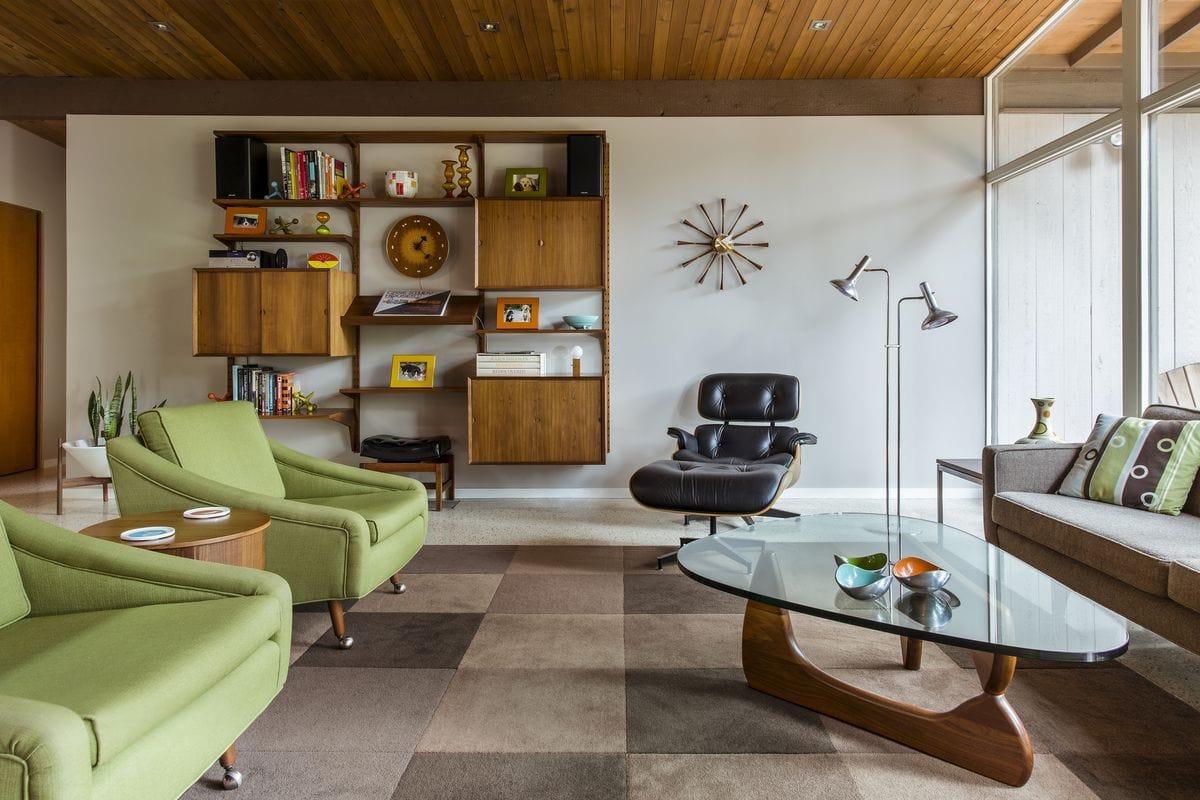
Authenticating vintage furniture can be both exciting and challenging, especially when shopping for mid-century modern furniture. The clean silhouettes, warm woods, sculptural forms, and practical designs associated with the era have made these pieces highly desirable among collectors and interior enthusiasts. However, the popularity of mid-century design has also led to countless reproductions, later interpretations, and pieces inaccurately described as vintage. Knowing what to look for can help buyers make confident decisions. From construction techniques and materials to labels and proportions, several details can reveal whether a piece genuinely belongs to the mid-century period.
Understanding What Makes Furniture Truly Mid-Century
The term mid-century modern generally describes a design movement that became particularly influential from the 1940s through the 1960s, although its influence extends beyond those exact decades. Designers during this period emphasized function, simplicity, experimentation, and a relationship between furniture and modern living. Instead of relying heavily on decorative ornamentation, they used proportion, material, shape, and craftsmanship to create visual interest. This resulted in furniture that often looks surprisingly contemporary even decades after it was originally produced. Understanding the historical context is the first step toward recognizing authentic examples.
It is also important to understand that not every piece with tapered legs or a walnut finish is automatically vintage. Modern manufacturers frequently reproduce popular mid-century silhouettes, sometimes with excellent craftsmanship and sometimes with inexpensive materials. Reproduction furniture is not necessarily bad furniture, but it should not be represented or priced as an original vintage item. Authentication therefore involves examining several characteristics together rather than relying on one visual feature. A careful buyer looks at the complete construction, materials, markings, condition, and design history before reaching a conclusion.
1. Examine the Materials and Wood Quality
The materials used in a piece can provide valuable clues about its age and quality. Woods such as walnut, teak, oak, rosewood, and mahogany were widely used across different mid-century furniture designs, depending on the manufacturer, designer, and geographic market. Genuine vintage furniture may display natural variations in grain, subtle changes in color, and signs of aging that develop over many years. Veneer was also commonly used, allowing manufacturers to create attractive surfaces while controlling material costs. Examining the edges, underside, drawer interiors, and less visible areas can reveal whether the materials appear consistent throughout the piece.
Wood alone, however, cannot prove that furniture is authentic because contemporary manufacturers also use traditional species. Instead, look at how the material has been applied and constructed. Quality vintage furniture often demonstrates careful veneer matching, solid joinery, appropriately selected hardware, and finishes that complement the natural character of the wood. Artificially distressed surfaces can sometimes imitate the appearance of age without providing genuine historical evidence. A knowledgeable buyer should therefore consider the material as one piece of evidence within a broader authentication process.
2. Look Closely at Construction and Joinery
Construction methods can be among the strongest indicators of quality and period. Inspect drawers, cabinet doors, legs, frames, and joints rather than judging a piece solely from its front appearance. Traditional joinery techniques such as dovetail joints, mortise-and-tenon construction, dowels, and carefully fitted components can indicate substantial craftsmanship. The exact technique varies between manufacturers and periods, so there is no single joint that automatically proves a piece is vintage. What matters is whether the construction appears consistent with the furniture's claimed age, manufacturer, and design.
Pay particular attention to areas that are difficult to see in photographs. Turn tables and chairs over when possible and inspect the underside for construction details, screws, staples, plates, or modifications. Look inside drawers and cabinets for evidence of original construction rather than relying on surface appearance. Later repairs are not necessarily a negative factor, especially when they have been professionally completed, but unexplained alterations can affect authenticity and value. A piece with thoughtful construction and consistent craftsmanship generally deserves more confidence than one that only copies the outward appearance of a famous design.
3. Check Labels, Stamps, and Manufacturer Marks
Labels and manufacturer marks can provide some of the most useful authentication evidence when they are present. Many established furniture manufacturers placed paper labels, metal plaques, stamps, or impressed markings somewhere on their products. These may appear inside drawers, underneath tabletops, on cabinet backs, beneath chairs, or on other less visible surfaces. A manufacturer's name can then be compared with historical catalogs, design references, production records, and reputable dealer information. Finding a mark does not automatically guarantee authenticity, but it can provide an important starting point for further research.
Be cautious when interpreting labels because they can sometimes be removed, replaced, or copied. A suspiciously new label on heavily aged furniture deserves additional investigation, particularly if the typography or wording does not match known examples. Hardware and manufacturing details can also change during a company's production history, meaning that authentication should consider the specific period rather than simply the brand name. When a valuable piece is involved, consulting a qualified vintage furniture dealer, auction specialist, or appraiser can provide a more reliable assessment than an internet image search alone.
4. Study the Design, Proportions, and Original Details
Design proportions can reveal whether an item genuinely reflects the era it claims to represent. Mid-century designers were highly attentive to scale, ergonomics, negative space, and the relationship between different components. Furniture frequently featured slender legs, carefully balanced frames, rounded edges, organic curves, and relatively simple surfaces. These characteristics should work together as part of a coherent design rather than appearing as random decorative additions. A reproduction may imitate several recognizable features but still have noticeably different proportions or details.
Compare the furniture with reliable historical photographs or documented examples of the same design whenever possible. Pay attention to leg angles, seat height, hardware placement, edge profiles, backrest shapes, and the relationship between individual components. Small differences can be meaningful when determining whether an item is an original version, a later authorized production, or an unrelated piece inspired by the style. Collectors often become familiar with these subtle characteristics through repeated examination and comparison. For buyers, taking time to research before purchasing is one of the simplest ways to reduce the risk of an inaccurate description.
5. Investigate the Hardware and Upholstery
Hardware is another overlooked authentication clue. Drawer pulls, hinges, screws, brackets, glides, and fasteners can differ significantly between manufacturers and production periods. Original hardware that corresponds with documented examples can strengthen the case for authenticity, while mismatched modern hardware may indicate restoration or modification. This does not necessarily make a piece undesirable, but it should be disclosed when evaluating its historical integrity and price. Furniture that has undergone restoration should ideally be assessed based on what is original and what has been replaced.
Upholstery deserves similar attention, particularly with lounge chairs, dining chairs, and sofas. Original upholstery can be valuable evidence, although fabric is often replaced because of normal wear, stains, or deterioration. A newly reupholstered chair may still be an authentic vintage frame, so buyers should distinguish between the age of the furniture and the age of its covering. Examine the frame beneath the upholstery when possible and look for construction characteristics associated with the manufacturer. Professional restoration can preserve a valuable piece, but extensive modifications should be documented rather than hidden.
6. Assess Age Through Patina, Wear, and Condition
Natural aging can provide useful evidence, but it should never be the sole basis for authentication. Genuine vintage furniture may develop patina through exposure to light, handling, cleaning, temperature changes, and ordinary use. Wood can gradually change in color, metal can develop surface variation, and finishes may show subtle wear in areas that receive frequent contact. These changes tend to appear naturally rather than uniformly across every surface. Artificially aged furniture may display inconsistent distressing, manufactured scratches, or an overly deliberate appearance.
Condition should also be evaluated carefully because excellent condition does not automatically mean a piece is new. High-quality furniture that received careful use and maintenance can remain remarkably well preserved for decades. Conversely, heavily worn furniture is not automatically older or more authentic. Consider whether the wear pattern makes sense based on the furniture's function and construction. A dining chair with natural wear around frequently touched areas may tell a more believable story than one covered in identical scratches across every surface.
How to Research a Piece Before Buying
Research is essential when purchasing valuable mid-century furniture, especially when a seller makes specific claims about age, designer, manufacturer, or provenance. Start by documenting the piece with clear photographs of its front, back, underside, hardware, labels, joints, and any unusual details. Search for historical catalogs, archived manufacturer information, museum collections, established auction records, and respected furniture references. Comparing several documented examples is usually more useful than relying on a single photograph. Keep notes about measurements as well because dimensions can help distinguish an original design from later versions.
The seller's description should also be evaluated critically. Terms such as "mid-century style," "inspired by," "vintage," and "original" can have very different meanings. Ask whether the seller knows the manufacturer, approximate production date, restoration history, and previous ownership when relevant. If the price is substantial, consider obtaining an independent professional opinion before completing the purchase. This research process not only helps with authentication but also gives buyers a better understanding of the furniture's condition, historical significance, and realistic market value.
Incorporating Authenticated Pieces Into Mid-Century Modern Decor
Once an authentic piece has been identified, the next step is deciding how it fits into the home. Mid-century modern decor does not require every item in a room to come from the same period. In fact, mixing vintage furniture with contemporary lighting, artwork, rugs, and accessories can create a more personal and balanced interior. A genuine walnut credenza, sculptural chair, or vintage coffee table can become a focal point without making the room feel like a museum. The key is to preserve the furniture's visual character while surrounding it with pieces that complement its proportions and materials.
Color and texture can also help integrate vintage furniture into a contemporary setting. Warm woods work naturally with neutral walls, textured fabrics, natural materials, and understated accessories. Avoid overcrowding the room because one of the strengths of mid-century design is its emphasis on clean visual space. Allow distinctive furniture to remain visible rather than surrounding it with excessive decoration. When authentic pieces are combined thoughtfully with modern elements, the result can feel timeless rather than overly themed.
Making a Confident Authentication Decision
Authenticating mid-century modern furniture requires patience, observation, and research rather than a quick judgment based on appearance. The six major clues—materials, construction, manufacturer marks, design proportions, hardware and upholstery, and natural aging—can provide a strong framework for evaluating a potential purchase. None of these characteristics should be considered independently because authentic furniture can vary considerably between manufacturers and production years. Combining several forms of evidence creates a much more reliable assessment. When uncertainty remains, professional evaluation is especially worthwhile for rare or expensive pieces.
The lasting appeal of vintage design comes partly from the craftsmanship and thoughtful details that can still be appreciated today. Authentic furniture can bring history, character, and functionality into a contemporary home while serving as a reminder of an important period in design. By learning how to identify quality construction and recognize misleading claims, buyers can shop with greater confidence. Whether collecting iconic designs or simply searching for one exceptional vintage piece, careful authentication helps ensure that the furniture's story is as genuine as its appearance.




 English
 Indonesia
 Arabic
 French
 Spanish
 Portuguese
 Deutsch
 Dutch
Dutch
 Italiano
 Russian
 Romaian
 Portuguese (Brazil)
 Greek
Greek