


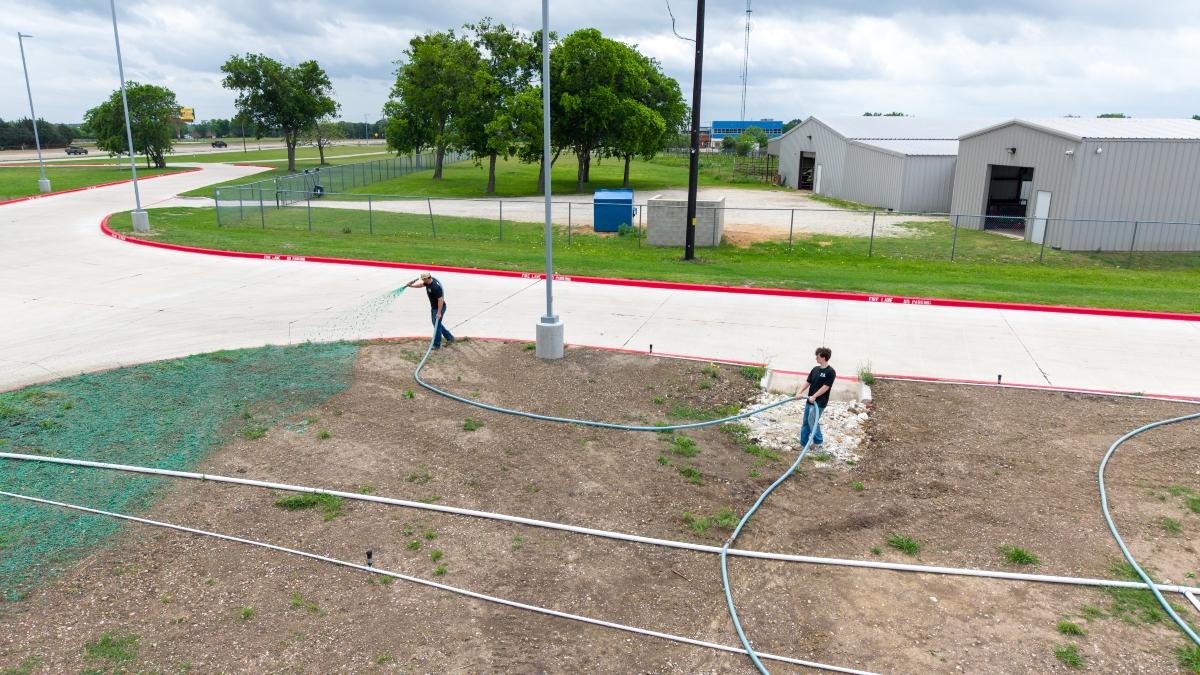
North Texas properties often face difficult conditions when bare soil needs to be covered with healthy vegetation. High summer temperatures, dry periods, strong winds, sudden rainfall, and disturbed construction soil can all interfere with successful grass establishment. Hydromulch North Texas provides a practical approach by combining seed, water, fiber mulch, fertilizer, and other materials into a sprayable slurry. Once applied correctly, the mixture creates a protective surface around developing seed while helping maintain moisture near the soil. For homeowners, contractors, developers, and property managers, understanding how hydromulching works can make it easier to plan successful lawn, pasture, and erosion-control projects.
What Is Hydromulch?
Hydromulch is a water-based mixture used to distribute seed and protective materials across prepared soil. Depending on the project, the slurry can contain grass seed, fiber mulch, fertilizer, water, tackifiers, and soil amendments selected for specific site conditions. The fiber material spreads across the ground and creates temporary coverage that helps protect exposed soil from environmental stress. Unlike simply broadcasting dry seed, the slurry places seed within a moisture-supporting layer that can improve early establishment conditions. The exact formulation should be based on the property's soil, terrain, vegetation goals, climate, and expected maintenance.
The mulch component serves several purposes during the early stages of growth. It can reduce the direct impact of rainfall on bare soil while helping limit moisture loss caused by sunlight and wind. It also helps keep seed positioned near the prepared soil surface instead of allowing it to become easily displaced. As grass begins to emerge, the protective mulch gradually becomes less important because the growing vegetation starts providing its own ground coverage. This temporary support can be particularly useful in North Texas, where weather conditions can change quickly during the establishment period.
Why Hydromulch Is Valuable in North Texas
North Texas presents a combination of heat, drought, heavy rainfall events, and changing soil moisture that can make vegetation establishment challenging. Bare soil can become extremely dry during hot weather, while intense rainfall can create runoff across disturbed ground. These opposite conditions can occur within relatively short periods, leaving newly planted seed vulnerable to both dehydration and displacement. Hydromulch helps address some of these challenges by creating a protective layer over the soil surface. Although it cannot eliminate the effects of extreme weather, it can provide young seed with a more supportive environment during germination.
The approach is also useful on construction properties where soil has been disturbed by grading and heavy equipment. Construction activity can leave large areas exposed and compacted, increasing the risk of erosion before vegetation becomes established. Applying a suitable hydromulch slurry after proper soil preparation can help protect the surface while grass develops. This can be valuable for commercial developments, roadsides, drainage areas, residential construction sites, and other properties requiring rapid vegetation establishment. The method should still be coordinated with grading and drainage work so that water movement does not overwhelm the newly treated surface.
How the Hydromulch Slurry Works
The process begins by selecting materials appropriate for the specific property and mixing them with water inside specialized equipment. The tank's agitation system keeps the seed, mulch, and other components distributed throughout the slurry during preparation and application. The resulting mixture can then be sprayed evenly across prepared ground using hoses or spray systems. Operators work systematically to provide appropriate coverage while adjusting their approach for slopes, obstacles, access limitations, and different treatment areas. Proper mixing and application rates are important because inconsistent material distribution can lead to uneven vegetation establishment.
Once sprayed, the fiber mulch settles across the soil and surrounds the seed with a temporary protective layer. Moisture from the slurry initially supports the seed, while the mulch helps reduce rapid drying at the surface. The material can also help reduce the force of rainfall hitting exposed soil, which may lower the risk of minor surface erosion. As long as moisture and temperature conditions remain suitable, seeds begin germinating and developing roots into the prepared soil. The mulch eventually breaks down or becomes incorporated into the developing landscape as vegetation becomes established.
Step-by-Step Hydromulch Application
A professional hydromulch project typically begins with a site assessment rather than immediate spraying. The contractor examines soil condition, slope, drainage, sunlight, existing vegetation, access, and the property's intended use. This evaluation helps determine whether grading, debris removal, soil amendments, erosion-control measures, or other preparation work is necessary. The contractor can then select a seed blend and mulch formulation appropriate for the site. Taking these steps before application reduces the chance of treating a surface that is unsuitable for successful germination.
After preparation, the slurry is mixed and applied across the property using specialized hydroseeding equipment. The operator needs to maintain appropriate coverage while avoiding excessive application that could create uneven material buildup. Steeper areas may require additional attention because runoff can move freshly applied material before roots become established. Depending on site conditions, supplemental erosion-control products may be used alongside the hydromulch. Once application is complete, the property enters the most important maintenance stage, when watering and protection help the seed transition from germination to established growth.
Soil Preparation Before Hydromulching
Hydromulch performs best when applied to properly prepared soil, making site preparation one of the most important factors in the overall result. Compacted ground can restrict root development and reduce the ability of water to move through the soil profile. Uneven grading can also create areas where water accumulates or rapidly flows away, making uniform establishment more difficult. Contractors may need to loosen compacted soil, correct grades, remove debris, and address drainage concerns before application. Where appropriate, soil testing can identify nutrient or pH conditions that may require attention before planting.
Construction sites deserve particular attention because their soil conditions are often different from established landscapes. Heavy equipment can compress the ground, while excavation may expose subsoil that contains less organic matter than the original surface layer. Simply spraying seed over these conditions may result in weak growth even when the slurry is applied correctly. Preparing the soil provides roots with a better environment for accessing air, moisture, and nutrients. A professional contractor should explain which preparation steps are necessary and why they are relevant to the property's condition.
How Hydromulch Supports Rapid Germination
Hydromulch can support faster and more consistent germination by creating favorable conditions around the seed during the early growth stage. The water in the slurry provides initial moisture, while fiber mulch helps slow moisture loss from the exposed surface. Consistent moisture is important because newly germinated seed has limited root development and can dry out quickly. The protective layer can also reduce the impact of wind and rainfall on the seedbed. However, rapid germination still depends on appropriate seed selection, soil temperature, moisture, sunlight, and overall site conditions.
It is important to understand that hydromulching does not guarantee instant grass growth. Different grass varieties germinate at different rates, and North Texas weather can change significantly throughout the growing season. Excessive heat, cold soil, drought, heavy rain, or poor soil conditions can slow establishment even when application is performed correctly. Contractors should therefore provide realistic expectations rather than promising identical results on every property. Good preparation and consistent aftercare can help the selected grass take advantage of favorable growing conditions when they occur.
Hydromulch and Erosion Control
One of the practical advantages of hydromulch is its ability to provide temporary surface protection while vegetation becomes established. Bare soil is particularly vulnerable to erosion because there are no roots or plant cover holding particles in place. Rainfall can detach soil particles and carry them downslope, especially on recently graded construction sites or exposed slopes. The mulch layer can help reduce the direct force of rainfall on the soil surface and provide temporary coverage until grass develops. This makes hydromulch useful as one component of a broader erosion-management strategy.
However, hydromulch should not be viewed as a complete solution for severe erosion or major drainage problems. Steep slopes, concentrated water flow, unstable soil, and significant runoff may require additional engineering or erosion-control measures. Depending on the property, contractors may recommend blankets, drainage improvements, wattles, terracing, or other stabilization methods. The correct combination depends on slope conditions and the amount of water moving across the site. Professional evaluation helps determine whether hydromulch alone is appropriate or whether additional protection is necessary.
Commercial Applications of Hydromulch
Large commercial properties often have extensive areas of exposed soil that need vegetation established efficiently. Commercial hydroseeding services can provide specialized equipment and crews capable of treating large or difficult-to-access areas in a coordinated manner. Applications may include office developments, retail properties, industrial sites, roadsides, parks, recreational facilities, and construction projects. Hydromulching can also be incorporated into larger erosion-control and landscape-management plans. Treating large areas efficiently can help projects move from exposed construction ground toward functional landscape coverage more quickly.
Commercial projects also require careful scheduling because landscaping often occurs alongside other construction activities. Heavy machinery should not repeatedly travel over freshly treated areas because traffic can disturb mulch, compact soil, and damage developing vegetation. Drainage work, irrigation installation, grading, and hydroseeding should therefore be coordinated in the correct sequence. A professional contractor can help establish a schedule that minimizes conflicts between crews and protects the treated surface. This type of planning can improve the efficiency of the project while reducing the likelihood of expensive corrective work.
Watering and Maintenance After Application
Post-application watering is essential because hydromulch does not permanently supply the moisture needed for plant development. During germination, the seedbed should generally remain sufficiently moist without becoming saturated or producing runoff. North Texas heat can increase moisture loss, so property owners may need to monitor conditions closely during dry weather. Irrigation requirements depend on soil type, grass variety, slope, temperature, wind, and natural rainfall. A site-specific watering plan is more reliable than applying the same irrigation routine throughout every season.
As the grass becomes established, maintenance requirements gradually change. Irrigation can be adjusted to support deeper root development, while mowing should begin only when the grass has reached an appropriate stage. Property owners should monitor thin areas, erosion, weeds, standing water, and signs of stress during the early weeks. Promptly addressing small problems can prevent them from developing into larger areas of failed vegetation. Long-term mowing, irrigation, soil management, and fertilization practices should then be based on the needs of the established turf.
Choosing Professional Hydromulching Services
Selecting a qualified contractor is important because successful hydromulching depends on decisions made before, during, and after application. Property owners should ask potential providers about their experience with similar properties, seed selection, soil preparation, slurry materials, equipment, and maintenance recommendations. It is useful to review project references and photographs when available, particularly for large commercial or difficult terrain projects. A detailed estimate should explain what preparation and materials are included rather than providing only a single unexplained price. Clear communication can help customers understand what they are paying for and what results are realistically achievable.
Experience with North Texas conditions is especially valuable because local climate and soil characteristics influence how vegetation establishes. A knowledgeable contractor should be willing to explain potential challenges involving heat, drought, rainfall, erosion, and irrigation. They should also distinguish between problems that hydromulch can address and conditions requiring additional site improvements. This transparent approach supports better decision-making and reduces unrealistic expectations. The best provider is not necessarily the one offering the lowest price, but the one offering a suitable strategy for the property's actual requirements.
Final Thoughts
Hydromulch North Texas projects can provide an effective method for protecting exposed soil while supporting the early stages of grass establishment. The combination of seed, water, fiber mulch, and other materials creates a temporary environment that can help retain moisture and reduce the impact of wind and rainfall. When combined with appropriate soil preparation, suitable seed selection, proper application, and consistent irrigation, the process can produce strong vegetation establishment across residential and commercial properties. Its value is particularly noticeable on large areas where conventional seeding may be less efficient or where bare soil is vulnerable to erosion. The key is treating hydromulching as part of a complete establishment plan rather than as a standalone shortcut.
For larger developments and challenging properties, commercial hydroseeding services can provide the equipment, experience, and site-planning knowledge needed to apply hydromulch effectively. Property owners should evaluate contractors based on their preparation practices, regional experience, material selection, application methods, and aftercare guidance. Properly managed hydromulch can give young vegetation valuable protection while roots develop and the landscape transitions toward established ground cover. With realistic expectations and responsible maintenance, the process can support healthier lawns, commercial landscapes, pastures, and erosion-prone areas. In North Texas, where weather can quickly shift from dry heat to intense rainfall, that protective foundation can make a meaningful difference in successful vegetation establishment.




 English
 Indonesia
 Arabic
 French
 Spanish
 Portuguese
 Deutsch
 Dutch
Dutch
 Italiano
 Russian
 Romaian
 Portuguese (Brazil)
 Greek
Greek